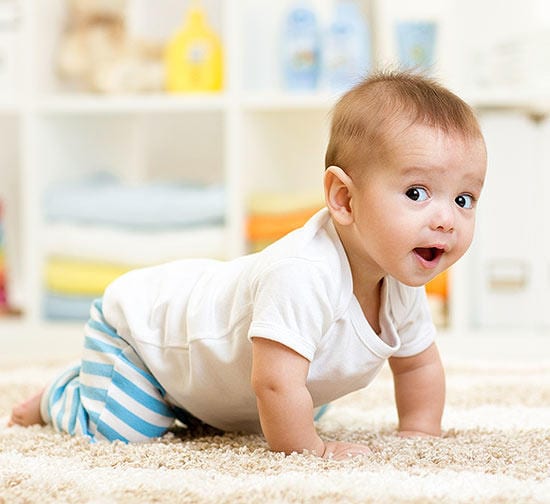
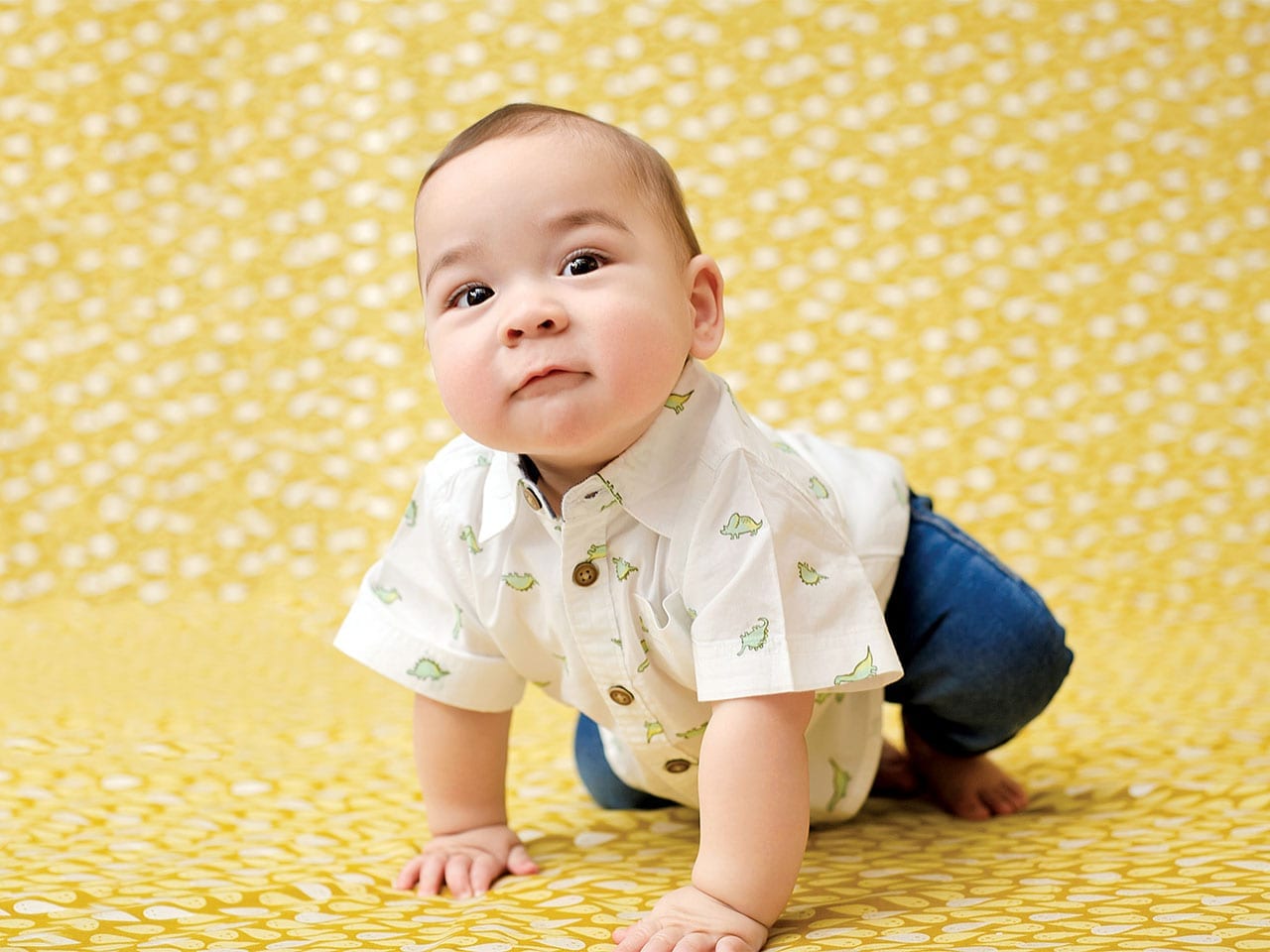
teething Early development can be challenging for some children. It's important to remember that every child is different and develops at their own pace at different ages. However, there is an approximate age that serves as the baseline for when most children begin crawling, walking, or teething.
This guideline is only intended for parents to prepare for their child's developmental stage rather than worrying if their child shows signs of development either late or early.
One such sign is early teething, which can be both exciting and confusing. Therefore, parents need to be knowledgeable about helping their babies transition to this new stage. Let's take a look at some common questions parents have about teething.
Do you need: Middle Child Syndrome - Signs and Tips for Parents to Prevent It?
Can babies start teething as early as 3 months old?
In general, most babies begin teething when they are four to six months old. This guide does not apply to every baby.
Some children never start. teething Until they reach one year of age, some may be born with one or two teeth. A few babies start teething before they reach three months of age, but parents shouldn't worry. There's nothing wrong with a baby teething at three months.
Signs of early teething in 3-month-old babies
Most parents expect their babies to have teeth around 6 months old, so if their baby starts teething early, they may miss the symptoms.
Symptoms of early teething
It's exactly the same as teething at the right time. Common symptoms are:
increased salivation
Babies drool a lot, but when they start teething, or when their teeth start coming in, the drooling increases.
irritability
Babies become more fussy and irritable when teething. As their teeth erupt, they wear down their gums, causing discomfort. To express their discomfort, infants whine or cry.



swollen gums
When teeth erupt but don't fully emerge, the gums may swell. There may also be slight bruising or some redness a few days before the teeth erupt.
lack of appetite
The baby loses interest in eating as his gums swell and he eats more. Mild fever – Teething does not cause a high fever in infants, but it may cause a mild fever. However, a pediatrician should be consulted if the fever exceeds 38.1°C (100.6°F).
How can early teething affect the health of the mother and child?
Early teething can affect the health of mother and infant in the following ways:
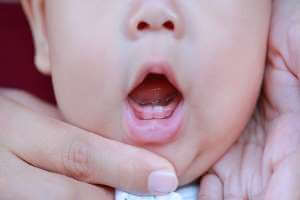
1. The effect of early teething on breastfeeding
Mothers wonder what will happen to breastfeeding when their baby starts teething. The baby bites the breast while breastfeeding. Mothers should gently pull the baby away if he bites, and expressing the bite with words like "no" or "ouch" is not correct.
The baby won't understand right away, but eventually, he'll get the point. Try using the same words and tone of voice every time you tell him not to bite. If the baby still bites, the mother can pump and store the milk for later bottle-feeding.
2. Oral growth
Early teething requires parents to take the infant to pediatric dentistThe doctor will assess the health and development of your 3-month-old baby's teething gums and offer advice on activities and issues that could affect development. For healthy oral development, parents should monitor the nipple wear and tear of babies who are bottle-fed or using pacifiers.
Teething babies on a nipple or pacifier milk bottle The nipple tip can tear off the baby, posing a choking hazard. Even if the nipple isn't noticeably worn, it's recommended to change it regularly.
How can parents help relieve their baby's discomfort after early teething?
Parents often wonder how to soothe their babies when they're teething. Here are some teething remedies parents can use to help relieve their babies' discomfort:
1. Teething gloves
Most babies try to chew on their hands when teething. For babies who can't pick up and put objects in their mouth, a teething toy is the perfect solution. Place the teething toy on your baby's hand, and they'll chew on it instead of their own. Teething mittens also provide sensory stimulation with their bright colors and varied textures.
2. Manual teether
This is a small, colorful teether. It's specially designed to soothe baby's sore gums. It's hand-shaped and filled with water or other liquid, with perfectly shaped fingers that allow your baby to scratch any nook or cranny on their gums. Parents can chill it in the refrigerator for additional teething relief for their baby's swollen gums.
3. Teething pacifier
Teething pacifiers are similar to regular pacifiers with some modifications for teething. They are made from various materials to stimulate your baby's mouth and soothe their gums. To make them resistant to chewing and biting, they are made from silicone, a more durable material.
Does early teething mean that solid foods should be introduced to the baby?
Parents often wonder whether they should start feeding their baby solid foods once they start teething. As a general guideline, babies shouldn't be introduced to solid foods until they are six months old.
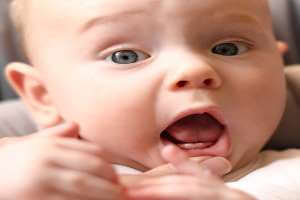
A three-month-old baby's tummy isn't ready for solid foods. If you notice your baby chewing more due to early teething, provide your baby with safe and healthy toys to chew on. Feed your baby solid foods when they are ready or as advised by your doctor.
Does early teething mean a baby will be smart?
Early teething is not a sign of intelligence or cleverness. Some babies teethe early, but like most children, they also get a full set of 20 primary or “milk” teeth by age three.
Teething early or on time has nothing to do with your baby's intelligence or enhanced development. When your baby gets one or two teeth, make sure to clean the area around the teeth with a soft toothbrush or a wet washcloth. Early teething can be a cause for concern for parents of a three-month-old baby. However, there's no need to worry and think of it as something abnormal. Early teething is normal, and babies are developing properly. Take care of your baby during teething and enjoy the process.
To learn more details about early teething in infants, you can watch the following video:
Article source: 3 Month Old Teething – Common Concerns About Early Teething
Video source: Signs of early teething